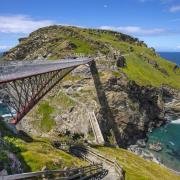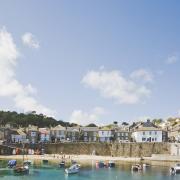


Cornwall is a place shaped by Atlantic waves, ancient history and a spirit of adventure, as author Daniel Start explores with his new book, Wild Guide Cornwall, sharing his favourite places off the beaten track
Beyond Cornwall’s famous beaches and busy harbour towns lies a landscape of secluded beauty; a rugged coastline folded into tiny coves, high moorland crossed by clear streams, and countryside dotted with standing stones, quoits and lost ruins slowly being reclaimed by nature, as well as a bounty of local ingredients and fantastic food.
The Wild Guide to Cornwall celebrates those hidden places that lie just off the beaten path, inviting joyful exploration and simple pleasures.
Here we share some of the guide’s most enchanting discoveries: swim in tranquil waters, scramble across wind-sculpted tors, wander through ancient woodland, explore ivy-clad industrial ruins and watch the sun set from a windswept headland. These are just a taste of Cornwall’s hidden adventures all waiting to be experienced this summer.

Best secret beach: Lantic Bay, Polruan
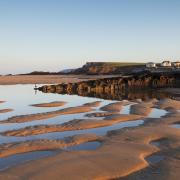
Celebrated for its untamed beauty, Lantic Bay is tucked beneath towering cliffs near Polruan. The large, sandy beach feels wonderfully wild and remote. If you’re feeling adventurous, swim or coasteer along the rugged coastline to discover a smaller cove just 150 metres east. On warm summer evenings, it’s the perfect place to cook fresh mackerel over a driftwood campfire or watch the setting sun from above the bay at Pencarrow Head.
Peaceful and unspoilt, Lantic Bay offers a rare sense of seclusion away from Cornwall’s busier shores.

Best coasteering spot: Port Gaverne
For a classic slice of Cornwall’s wild northern coastline, head to Port Gaverne, where the sheltered, U-shaped cove becomes a calm, sea-filled swimming pool at high tide – ideal for a gentle dip. For the more adventurous, Castle Rock offers some of the area’s best coasteering opportunities. Coasteering is a mix of swimming and scrambling along the water’s edge, exploring rock formations, playing in the swell and leaping from ledges. It’s best attempted on a calm day, with the route first scoped from the coast path. Venture out onto the promontory beyond Port Gaverne and you’ll find steps leading down to a rocky inlet ideal for swimming at low tide, while to the right, natural ledges provide thrilling jump points favoured by local daredevils. For the more intrepid, a 100-metre swim along the cliffs reveals a vast sea cavern, carved by the Atlantic and echoing with the sound of waves. It’s an invigorating way to experience the coastline up close. Afterwards, head to nearby Port Isaac to pick up line-caught fish or fresh Cornish crab straight from Calum’s boat – the perfect end to a salty, sea-soaked adventure

Best for inland swimming: Kit Hill Quarry, Tamar Valley
It’s not all about the coast in Cornwall; some of the county’s most refreshing wild swims lie inland, far from the busiest beaches. Kit Hill is a rewarding place to explore, where you can take in sweeping views across the Tamar Valley from the summit before
setting out on foot. Scattered across the hillside are the remains of old mining buildings and a striking granite tower,
adding a sense of history to the landscape. Tucked away among them is a disused quarry lake, an atmospheric spot for a dip. Surrounded by vast blocks of quarried stone, many once destined for London’s bridges, the water feels cool, clear and wonderfully secluded.

Best for lost ruins: Tregarsus Valley Ruins, St Stephen
Concealed in valleys, tangled in ivy, or standing stark against the sea and sky on remote headlands, Cornwall is rich in evocative ruins, from medieval chapels and promontory forts to the remnants of its once-thriving mining industries. Engine houses, beam engines, arsenic works and flooded quarries scatter the landscape, while inland sites are often softened by moss and woodland. Among these hidden gems, the Tregarsus ruins stand out as the largest and finest complex of china clay relics in the county yet remain little known. Follow the trackway along the stream to a waterfall, then explore ivy-clad mill buildings, large settling troughs, and an adit tunnel. Further downstream, a huge waterwheel (the largest in Cornwall) sits alongside leats, pan kilns, a blacksmith’s shop, bridges and disused tramways. These ruins blend history with wild scenery, offering walkers and explorers an atmospheric glimpse into Cornwall’s industrial past.

Best for Sacred Sites and Ancient Places: Lanyon Quoit, Bosiliack
Cornwall is rich in prehistoric sacred sites, from Neolithic and Bronze Age stone circles and cliff castles to portal dolmens, ancient burial chambers, and later Christian inscribed stones and wayside crosses. These places are often bound up in folklore of giants, saints and faery folk, and many stand on hilltops or ridges, aligned with distant horizons and visible across wide landscapes. Among the most iconic is Lanyon Quoit, a portal dolmen with a massive capstone that once formed a burial chamber and now stands starkly exposed to the sky. It’s an easy and rewarding stop, with shelter beneath the huge stone and expansive views across the surrounding countryside. Nearby, the Bosiliack Barrow is a smaller stone chamber tucked away in the landscape. Together, these sites offer a tangible connection to Cornwall’s ancient past and a sense of continuity in the sacred landscapes that have inspired reverence for millennia.

Best for peaks and scrambles: Cheesewring, Stowe’s Hill
Bodmin Moor, first farmed by Bronze Age settlers over 4,000 years ago, remains one of Cornwall’s last truly wild landscapes; a place of open horizons, ancient stones and elemental beauty. For those drawn to higher ground, the wind-sculpted tors of the Cheesewring on Stowe’s Hill offer one of the area’s most rewarding rock scrambles, where hands as well as feet are needed to navigate the granite. Here, towering stacks of weathered granite balance improbably, forming shapes that hint at faces and figures standing sentinel above the remote moor. On the way up, keep an eye out near the old quarry fence for a small cave once home to the 18th-century stonecutter and mathematician Daniel Gumb, whose geometric carvings can still be seen etched into the rock.

Best for Slow Food, Farms and Gardens: Nancarrow Farm Kitchen, near Truro
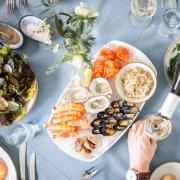
Cornwall’s wild side isn’t just about landscapes, it’s also about the richness of local food, and Nancarrow Farm offers one of the county’s best slow-food experiences. Set amid working farmland and sheltered valleys, the farm celebrates seasonal, ethically grown produce, from just-picked vegetables to orchard fruits and seafood sourced from nearby quays. Visitors can sign up for fortnightly farm suppers, enjoying wood-fired, oven-cooked meats and vegetables around long communal tables in the barn. Here, the emphasis is on fresh, regenerative ingredients and shared enjoyment. Beyond these feasts, the farm shop and surrounding gardens showcase wild-fermented ciders, no-dig kitchen plots, and market-garden produce, giving a taste of Cornwall’s agriturismo-style hospitality. At Nancarrow, slow food, sustainable farming, and seasonal celebration combine, offering a grounded, sensory way to connect with the county’s landscape, community and culinary heritage..

Best for ancient forests: Tremayne Woods and Quay
Cornwall’s ancient woodlands are precious remnants of the wildwood that once covered much of the peninsula, surviving today in sheltered valleys, stream-lined combes and damp oak forests. Tremayne Woods is a prime example, a temperate rainforest rich in mosses, ferns and lichens that feels older than its modest size suggests. In spring, the forest floor is carpeted with primroses, wild daffodils and wood anemones, while later in the season bluebells fill the sheltered valleys and sunny glades come alive with butterflies. A short walk of around three-quarters of a mile through the oaks leads down to a tranquil meadow beside the estuary, where a fire-pit, rope swings and a small beach provide the perfect spots to pause and enjoy the surroundings. Whether wandering among towering trees, exploring the streams and glades, or relaxing by the water, Tremayne Woods and Quay offer a rare combination of ancient forest, open meadow and estuarine wildness, a peaceful and restorative escape from Cornwall’s busier landscapes.
Wild Guide Cornwall: Hidden Places, Great Adventures & the Good Life is published by Wild Things Publishing (£14.99) and contains over 300 lesser-known places to visit. Cornwall Life readers can receive 20 per cent off and free P&P with coupon code Wild26 at wildthingspublishing.com