



Q: I never seem to have much luck with tulips. Which varieties would you recommend, and how can I grow them successfully?
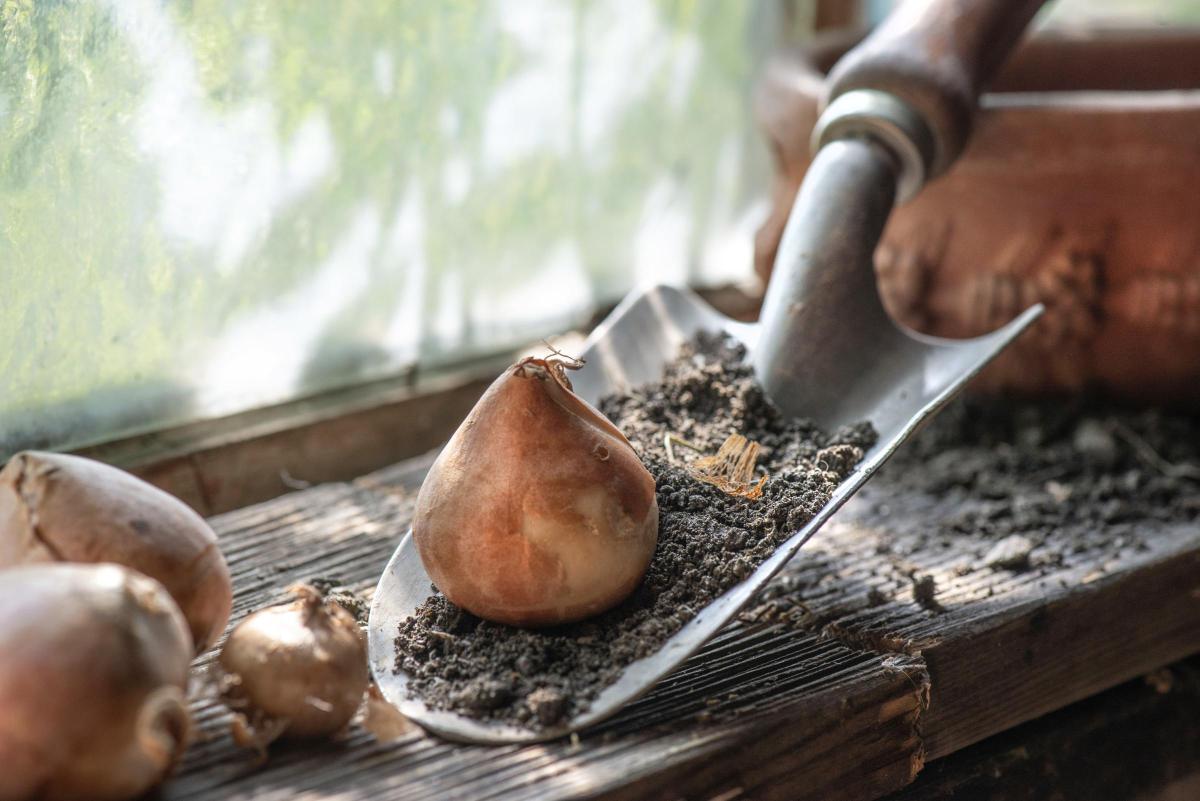
A: November is the perfect month to plant tulips, so I have assembled some advice on choosing and growing them. As with all gardening topics, there is a mass of information about species, varieties and new introductions.
For colour, tulips are hard to beat. They provide focal points with ease, and bulbs in pots or containers are a simple, relatively inexpensive way of enlivening the spring garden. While the main display comes in April and May, some varieties flower much earlier and others continue well into late spring, fitting neatly into the seasonal sequence.
For hardiness and longevity, the species tulips are unrivalled. Depending on classification, there are between 75 and 150 species, alongside more than 3,000 named varieties. Species may be smaller, but they are every bit as colourful. Anna Pavord’s books on bulbs give an excellent overview of the choices available.
I begin the year with species tulips, particularly Tulipa bakeri and ‘Little Beauty’. Another favourite is T. sylvestris, a late-flowering yellow species well suited to woodland and dappled shade.
For my main display, I favour the Darwin tulips, which are hard to beat for reliability and duration. ‘Apeldoorn’ remains a stalwart for its vivid red flowers, while another favourite is the Triumph tulip ‘Prinses Irene’, with its arresting combination of orange and purple.
Tulip Fire is the scourge of growers, although I have only encountered it once. It is one reason some plantsmen lift bulbs annually. I confess that I never do and have had no problems, though the disease can devastate a display. Rodents can be equally destructive, but planting in pots and tubs usually solves that difficulty.
As with all bulbs, size matters. The larger the bulb, the better the performance and the greater the likelihood of continued success. In gardening, as elsewhere, you often get what you pay for.
Provided the soil is free-draining, initial performance matters little, since the flower is already waiting inside the bulb. Fertility, good compost and adequate watering help, but once the foliage has died down, drought seems to enhance next year’s display. That should not surprise us, since tulips evolved in regions known for poor soils and hot, dry summers.

PLANT OF THE MONTH
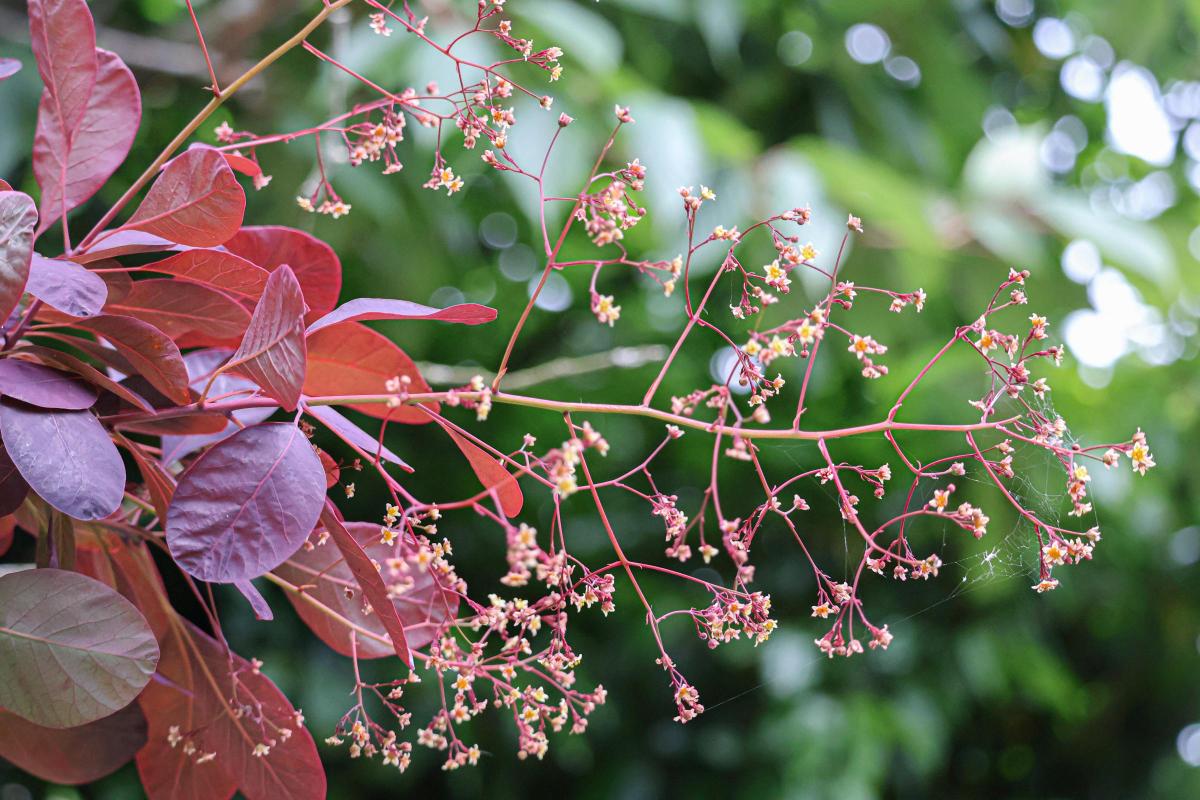
Smoke Bush, Cotinus coggygria
This shrub is known for its smoke-like flower plumes in shades from pale pink to deep purple. The deciduous foliage is often brilliant red, though yellow-leaved forms such as ‘Golden Spirit’ are equally attractive. Easy to grow, it is best pruned in March, as young growth carries the brightest colour and flowers form on the current season’s shoots. Popular varieties include ‘Royal Purple’, ‘Grace’ and the compact ‘Young Lady’. See several in flower before deciding which best suits your garden..
GARDENING JOBS FOR NOVEMBER
This is the time to check the insulation in greenhouses or conservatories, since plants need time to adjust to new conditions following heat and drought. However, plants that have experienced water starvation will be better at surviving cold conditions: it is, after all, the water inside cells that freezes and bursts them.
Tender bulbs/tubers: lift them or mulch heavily? I have given up lifting and storing, since that can be more of a threat to a plant through fungus than leaving well alone. I mulch well (say 10cm) and hope for the best. Don’t forget to label where they are!
Houseplants generally need good light to thrive, so keep your windows clean. It can make an enormous difference, because as much as 50 per cent of light can be absorbed by dirty glass.
Got a gardening quandary? Drop Ian an email at iantribe@gmail.com
Ian Tribe is the author of The Plant Kingdom (Hamlyn). He has taught widely, founded the Wisley Series at RHS Garden Wisley, and currently runs monthly gardening workshops in Ryme Intrinseca, as well as writing and broadcasting, with an occasional gardening slot on Radio Solent


























Share