



Higham Hall marked a significant milestone this year; 50 years of adult education.
In 1976, its first year, 2,000 people stayed across 270 nights. There were ‘special evenings’ involving dinner, music and poetry readings with speakers like Melvyn Bragg and Patrick Moore, three week-long summer schools on archaeology, ornithology and string instruments, a three-day course on painting, and a dozen weekend courses on subjects from fly-fishing, to geology and German.
If that sounds like a weird and wonderful breadth of diversity, you might be interested to know that the number of courses has only grown since then!
Last year, the college welcomed 3,500 students over 350 days. 420 courses ran alongside a programme of carefully curated lectures, concerts, and outdoor theatre.

One student noted, ‘where else would you find a collection of bassoonists, Egyptian historians, and willow weavers but in Higham’s bar?’
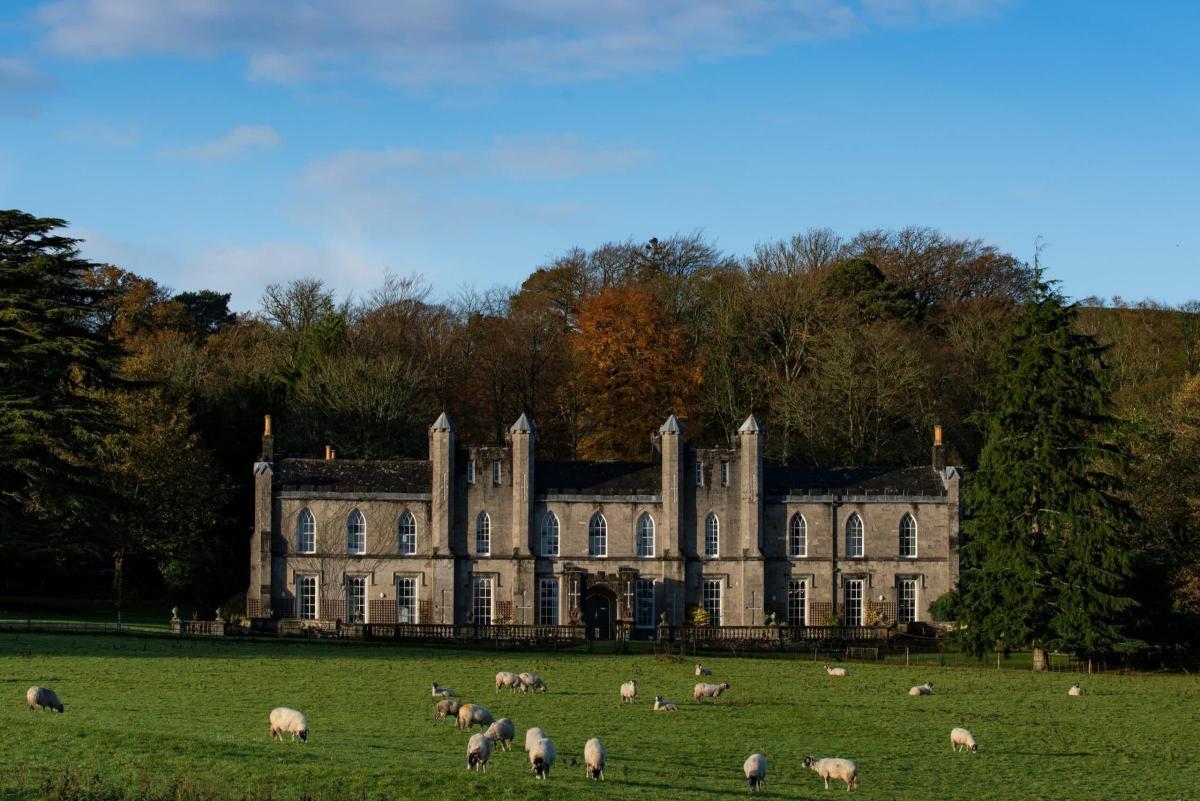
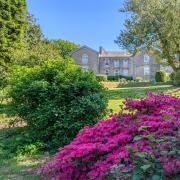
Lizzie Fisher, who has been Principal for the last three years, explains: ‘There are very few places like Higham Hall left. You can come and stay over while you immerse yourself in a completely new craft or hone an existing skill. The surroundings are stunning, and the building itself is Grade II listed, which all adds to the special character of the place.
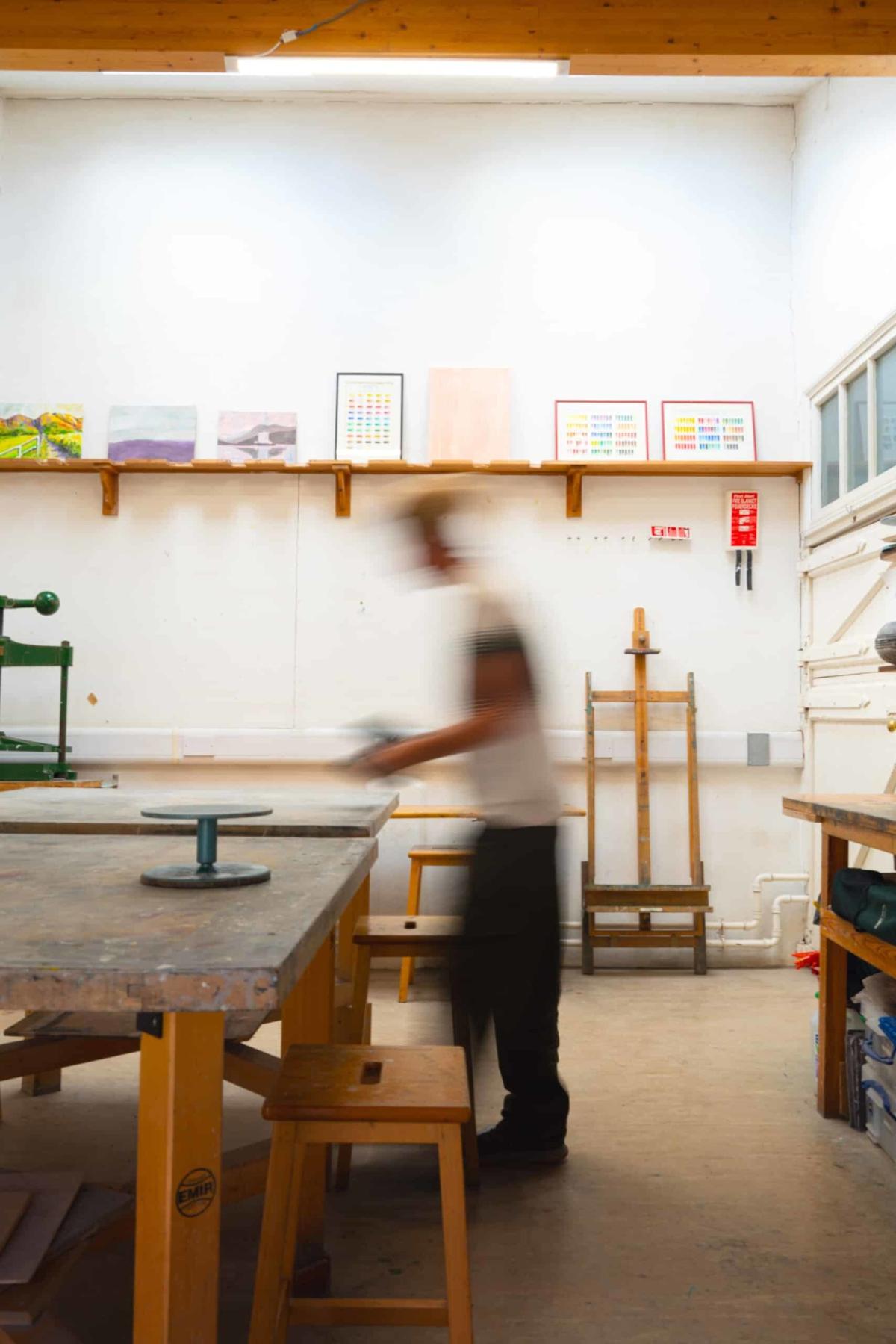
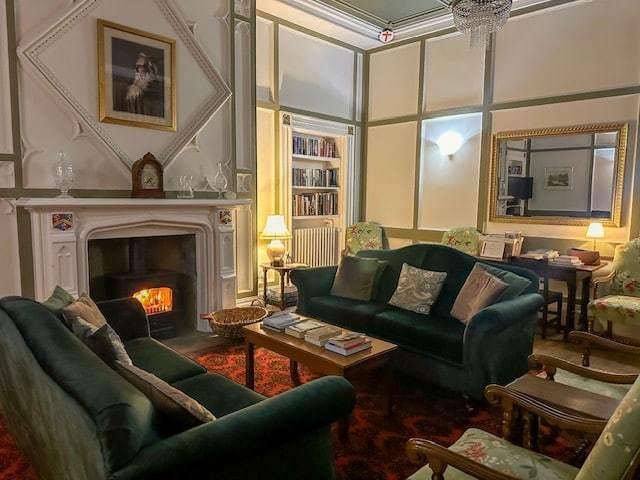
‘We have lots of unique learning spaces, including six acres of gardens. The lecture room, with its piano and historic parquet flooring, is a former family drawing room, and our creative studios are in the converted stable blocks.
‘We’ve increased the number of courses over the years, and kept the rich mix of different topics. Arts and crafts make up 60 per cent of the programme, music 20 per cent, wellbeing three per cent and the remainder are literacy, historical and natural science subjects.’

Variety is a recurring theme; one week Higham might appear to be a specialist music school, and the next, potters will be building fast-fire kilns in the garden. There are courses in geology, botanical illustration, wheel-throwing, writing, oil painting and more, at every level.
For every advanced bookbinding masterclass, there’s a beginner’s pottery course, and so on.
Lizzie delights in the planning: ‘I love talking to tutors about how a course will work, how we can add more value for students and think about the whole experience.’
Lizzie’s career so far has stood her in good stead for weaving together a rich curriculum at Higham. ‘I’m a curator and art historian by trade. Immediately before coming to Higham Hall I was doing a Leverhulme Fellowship in Northumberland and I’d spent the previous 25 years working in museums and galleries everywhere from Cambridge to New York. I’ve always believed that it’s our responsibility to make art meaningful for people.
Lizzie grew up in Barrow and is delighted to have moved back to the North with her family. ‘I’ve always wanted to raise the bar slightly for the cultural life of Cumbria. And the more I thought about Higham, the more I realised that it’s about enabling other people to have the kind of experiences that I had. Engaging with art, being creative, thinking differently, and being curious.

‘We pride ourselves in providing the sort of time and space to be creative that you don’t get very often in daily life – where you can fully immerse yourself in something and feel the real world just drop away.’
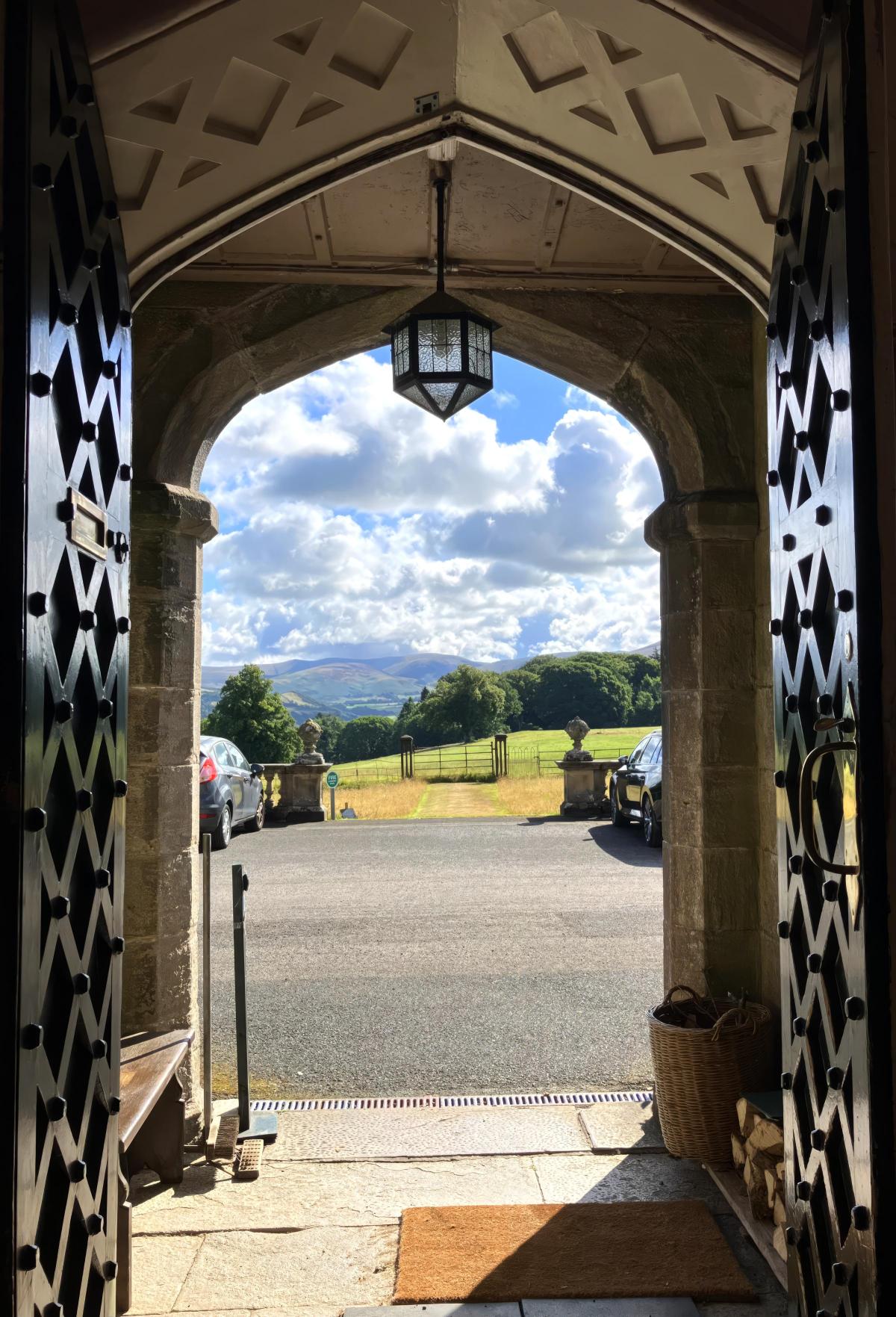
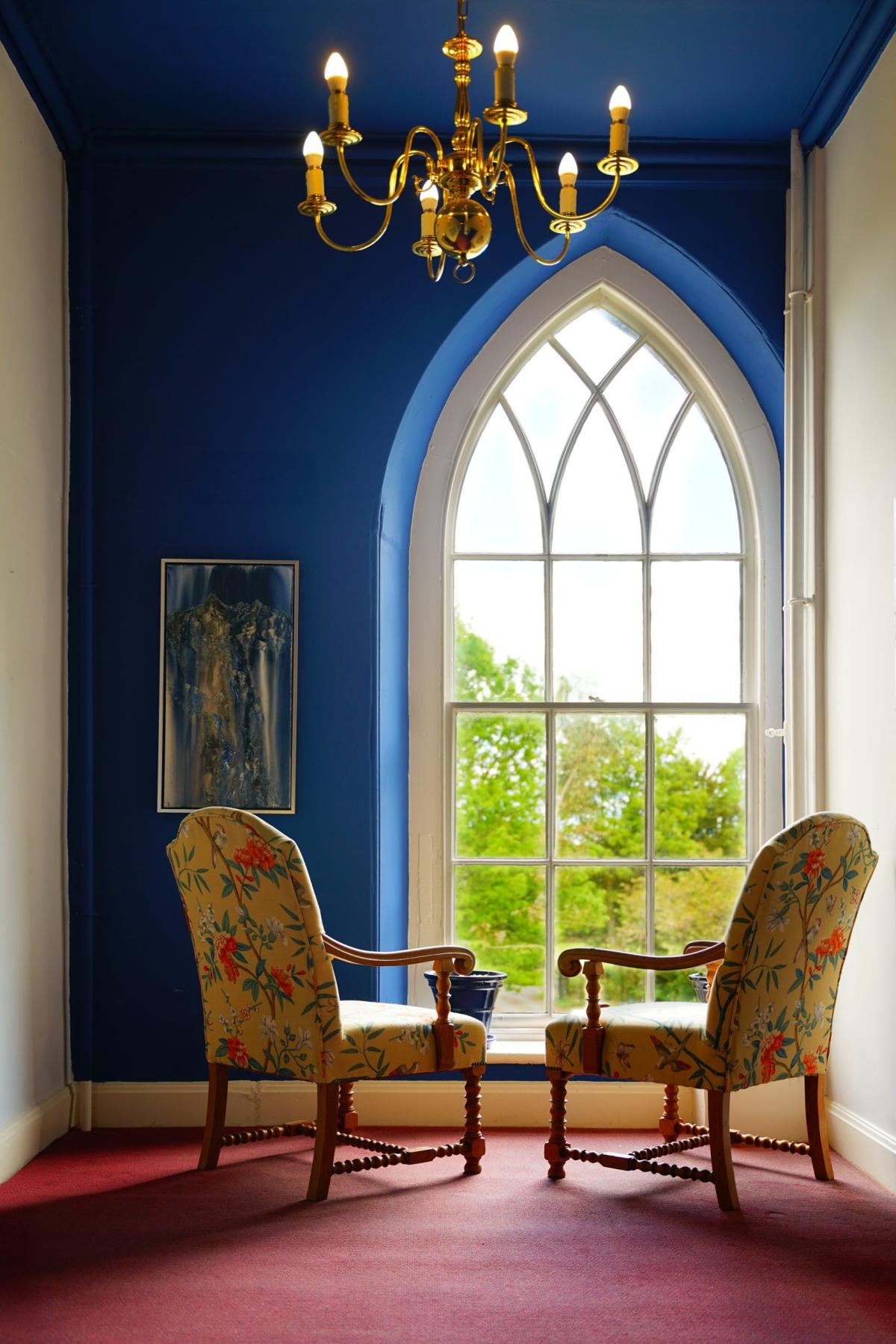
Staying over at Higham Hall means that you’re not snatching an hour here or 30 minutes there, you can focus and fully commit to your project for the duration of your stay. ‘It’s such an idyllic place’ explains Lizzie, ‘we have 33 bedrooms in this old Grade II-listed country pile, with beautiful views across to the Skiddaw massif and Bassenthwaite.
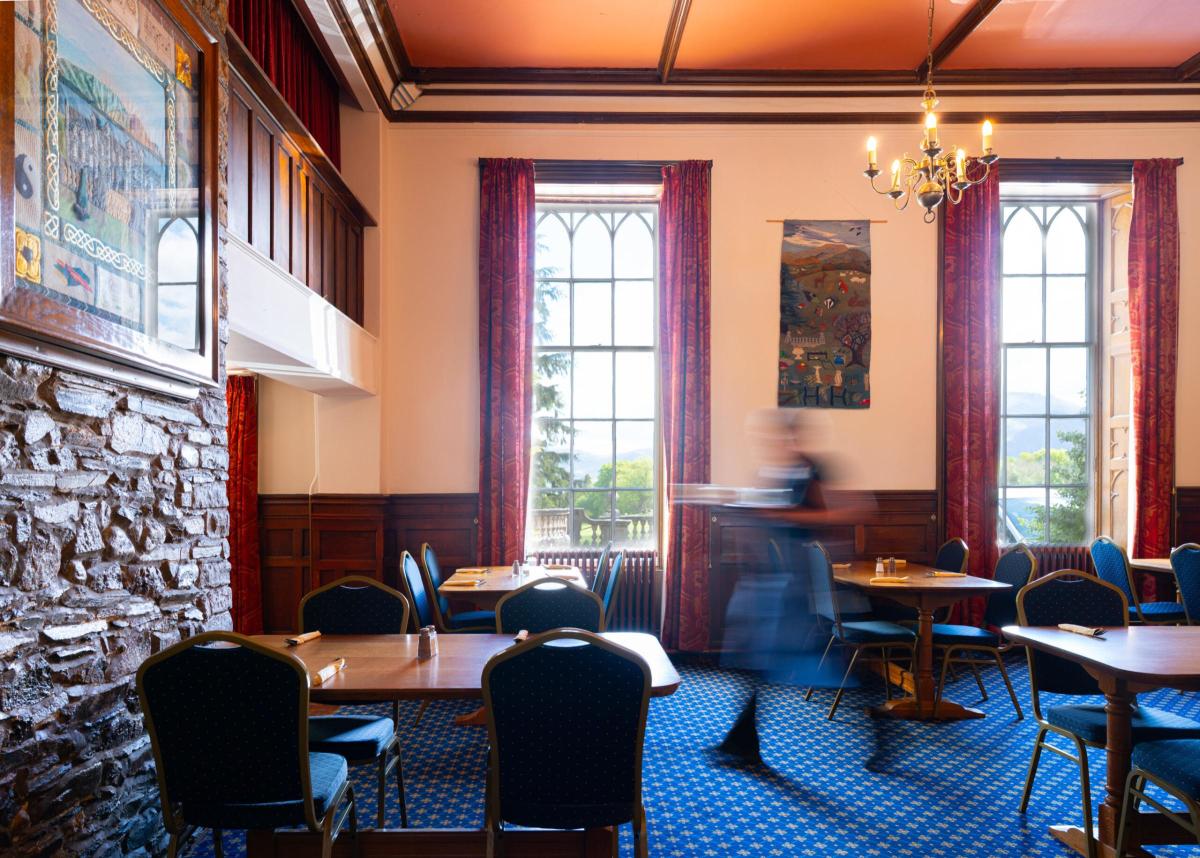
‘We strive to put people at ease as soon as they come through the door. Our restaurant staff are so friendly they tend to remember people’s names and dietary requirements if they’ve visited before, and we make sure to allow lots of free time throughout the stay so that visitors can soak up the atmosphere and relax, as well as complete their course.
‘90 per cent of our students are return visitors, so we must be doing something right.’
‘I wish more people knew how welcoming Higham Hall is. I occasionally see people peeping through the gate at this big, impressive building, probably thinking “I wonder what goes on in there” without realising they can come in and explore the gardens or find out more about our courses. There’s such a huge variety that there really is something for everyone.’

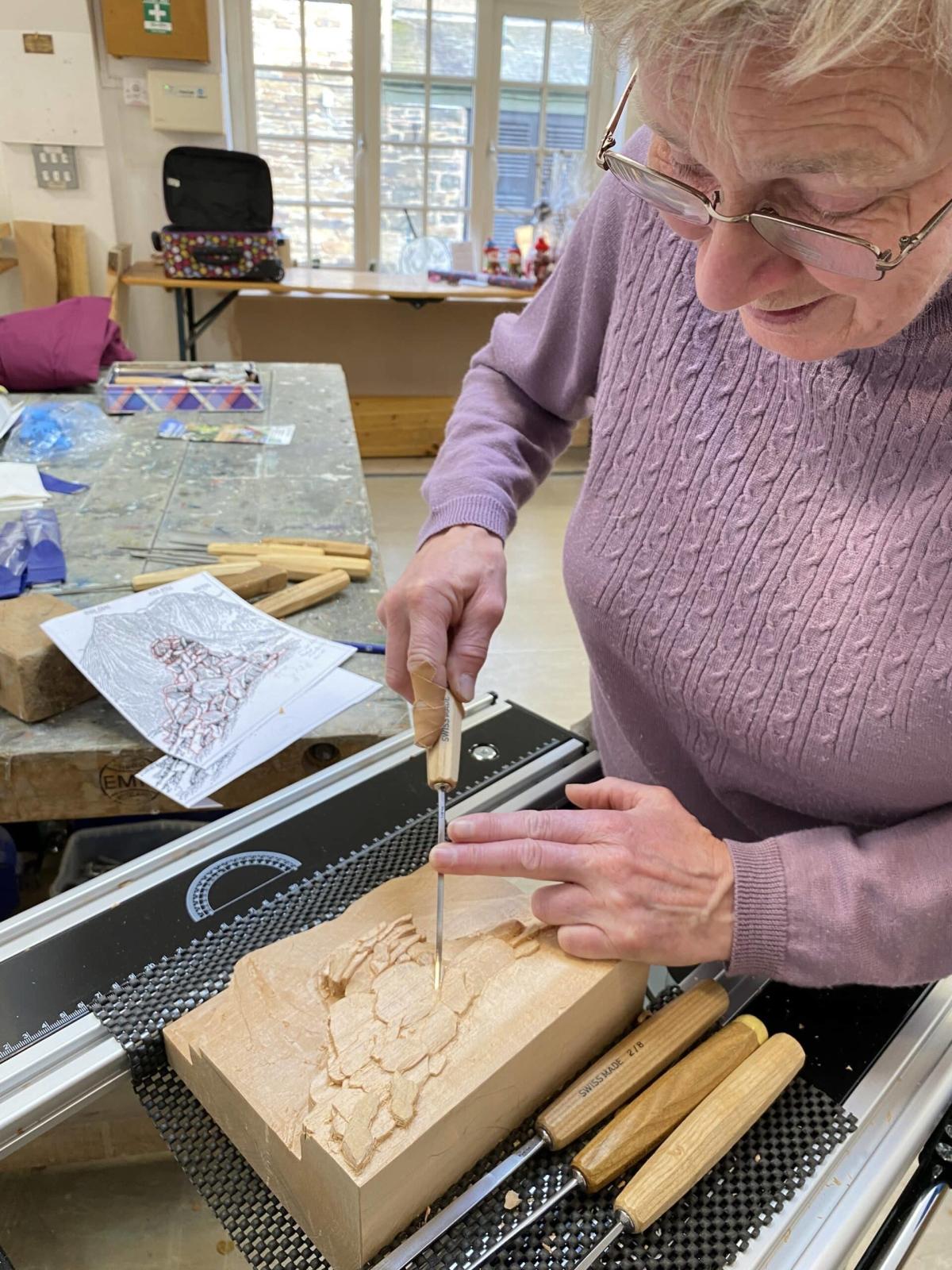
The variety is incredible, from Christmas cartoons and sea shanties, to leatherwork, wood carving, geology and astronomy to name just a few.
Higham also champions niche practices and endangered crafts from Ruskin lace and bobbin work, unique to this part of the country, to gilding and historic frame making.
The tutors are exceptional artists and specialists in their subject and are often commissioned to provide work for the Hall: ‘We want to support artists in all ways, including buying their work’ Lizzie explains. ‘We have beautiful cushions, art on the walls, new welcome folders made by the book binders, and woven log baskets by the fires.
‘It’s a way of showcasing craft and making that economic link visible.’
Higham Hall has an interesting history that has seen many transitions: Before it became a centre for adult education, Higham was a boarding school for girls. Before that, briefly, it was a youth hostel, but this was short lived because – at the time – you weren’t permitted to arrive at a youth hostel by car, and the building was so cold it could only be used from Easter to the end of September.

Before that, and for more than a century, it was a private house, standing at the centre of an extensive estate, supporting large families, weekend parties, public works and a great deal of hunting, shooting and fishing. And before that, for countless long centuries, reaching into the unrecorded past, there was a farm on the site.
Lizzie believes the college’s ongoing success is nothing short of remarkable: ‘It’s incredible that the college is here and thriving today, when its peers in almost every county in England have closed their doors over the last two decades. Higham’s success is down to the vision and determination of a small group of dedicated supporters who acted fast to raise funds to buy the college from the council when they saw what was coming down the road.
‘Initially, a reserve fund was formed by selling bonds at £25 each. 3,600 bonds were sold over a period of a few months, totalling £90,000. This was students’ money, held in trust, to be spent on future courses – which served to demonstrate to the bank and building society managers the viability of the business plan on which the college’s £1.1m mortgage application rested.
‘Higham is the only local authority-run adult education college in England to have made the successful transition to independence.
Against the odds, our founders’ conviction that the college could manage on its own as a charitable trust, earning its keep through course fees alone, has been proven right.’
‘Fees vs costs’ continues to be a balancing act that Lizzie and the team navigate carefully: ‘As well as being an educational institution, we are technically a hospitality venue, so we also have to manage those associated costs.

‘We are determined to keep courses affordable, while also lovingly maintaining this Grade II listed building for which we are responsible. We walk the tightrope between keeping costs down for visitors, and covering heating bills, or fixing the 200-year-old roof.’
Without doubt, the surroundings, the gardens, and the historic building are intrinsically part of the charm, otherwise – as I mention to Lizzie – the courses may as well be hosted in a generic chain hotel. She agrees wholeheartedly, and points out, to my surprise, that for food, accommodation and your residential course, Higham Hall is actually cheaper per night than, say, a Premier Inn or similar.
The unique experience is what keeps students returning. For many, it has become an alternative to a beach holiday: a chance to delve into creativity without distraction and to come away with a new skill or renewed inspiration, rather than a tan that fades in a week.
Alan Hankinson, who recorded the Hall’s history in The Story of Higham wrote: ‘Higham is not far, only a few minutes in the car, from the streets and shops of Cockermouth, but it feels like a million miles away from everywhere.’
highamhall.com





Share