



The village of Ambergate is found within the Amber Valley, where the River Amber joins the River Derwent.
Rather unusually – although explained to an extent in the ‘Did you know?’ section – Ambergate doesn’t have a ‘village centre’ as such and largely follows and sprawls out from the scenic A6 road, which mirrors the route of the Derby to Matlock Derwent Valley railway line.
The village is conveniently placed to a number of Derbyshire’s celebrated towns and villages. It is about six miles south of Matlock and just three miles north of Belper, while Derby lies just 13 miles or so to the south.
Having originally been a tiny hamlet, Ambergate had grown to a population of 206 by the middle of the 19th century. As of the latest Census, just under 5,000 people now live in the Heage and Ambergate Ward.
The village is not just scenery-rich but has many interesting elements to it too. In 1876 Richard Johnson and Nephew opened the wireworks by the river, while the nearby Shining Cliff Wood is home to the remains of the Betty Kenny Tree - said to be 2,000 years old.
In 1966, the village achieved a notable ‘first’ as the first fully operational electronic telephone exchange in Europe opened… in Ambergate.

PROPERTIES
According to Rightmove, the UK’s largest online real estate property portal (rightmove.co.uk), a total of 36 properties within the Ambergate area have been sold in the past year, selling at an overall average price of £299,218.
Of the properties sold in the past 12 months, 14 (the most sold) were semi-detached, selling for an average price of £265,500. Detached properties fetched on average £378,750, with terraced houses selling for an average of £182,667.
The highest price paid over the past 12 months was a semi-detached property on Newbridge Road, which fetched £740,000 in January 2025.
Overall, according to Rightmove, the historical sold prices in Ambergate over the past year were six per cent down on the previous year and 10% down on the 2022 peak of £328,823.
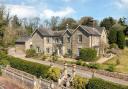
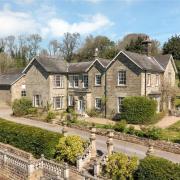
According to Rightmove, at the time of writing there are 33 properties up for sale in the Ambergate area, ranging in price from £1.1m for a five-bed detached property to £160,000 for a two-bed detached house.
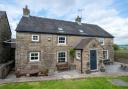
The former is found on Matlock Road and sits is approximately six acres of gardens and paddocks and is a detached stone-built dormer-style property offering five bedrooms, three en-suite shower rooms among many other standout features.

WHAT AMBERGATE OFFERS
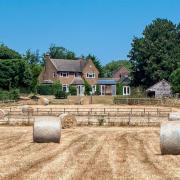
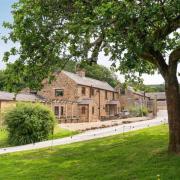
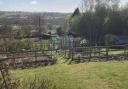
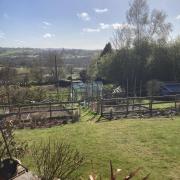
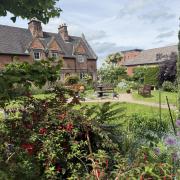
Sitting on the edges of the Peak District National Park and surrounded by beauty, many Ambergate properties benefit from wonderful views of the Amber Valley.
There are also a number of convenient amenities in the village – including a petrol station - as well as a plethora of options and services available in nearby Matlock and Belper.
Ambergate also offers excellent transport links, both by road and rail.
In Shining Cliff Wood, Ambergate has a wonderful and enchanting space for recreation, while the village also benefits from a number of popular walking routes and trails, including along the picturesque canal which runs alongside it.
There are numerous community-focused groups and events in the village, including a flourishing local cricket club and a highly popular annual carnival, which takes place every July at the recreation ground with much to see and do.
The village has its own primary school on Toadmoor Lane, which was rated as ‘Good’ on the latest Ofsted inspection, which took place in March 2022, while secondary and further education options can be found at nearby Belper School and Sixth Form Centre.
The village also sits within the Derwent Valley Mills UNESCO World Heritage site.

DID YOU KNOW?
While most Derbyshire villages have been around for hundreds of years and have grown organically, Ambergate is a relatively recent addition to the Derbyshire landscape.
That’s because the village largely came to be as it is now as a result of the birth and growth of the railways back in the 19th century.
Ambergate was originally a railway station known as ‘Amber Gate’, built in 1840. Before the, the area, which consisted of just a few houses, was known as Toadmoor.
Half a century later, after the forming of the County Council in 1888, Ambergate was officially recognised as an independent parish in its own right, with St. Anne – which still welcomes worshipers today - named as its parish church.






Share