



Tucked into a sweeping bend of the River Manifold on the south-western edge of the Peak District National Park, Ilam, just over the border into Staffordshire, is one of the Peak District’s most strikingly picturesque villages.
Long before tourism arrived, Ilam was a small rural settlement centred around fertile river meadows and sheltered slopes beneath Bunster Hill and Thorpe Cloud.
Today, while visitors come in large numbers — especially in spring and summer — the village, which sits just six miles or so west of Ashbourne, still retains a peaceful, timeless character that feels remarkably unchanged.
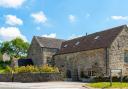
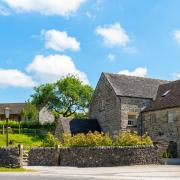
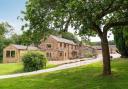
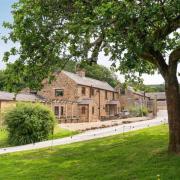
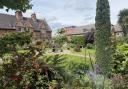
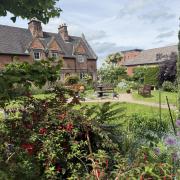
Ilam’s defining feature is its distinctive Swiss-style architecture, introduced in the early 19th century by Jesse Watts-Russell, owner of Ilam Hall.
This unusual design influence remains largely unique and gives the village a truly distinctive visual identity: steep pitched roofs, ornate bargeboards and symmetrical stone façades framed by dramatic limestone hills.
The village setting is also blessed with mature woodland, riverside paths and direct access to some of the Peak District’s most iconic and celebrated walking routes, including Dovedale and its stepping stones — one of Derbyshire’s most photographed beauty spots.
Despite its rural charm and atmosphere, as mentioned, Ilam benefits from its proximity to the nearby Derbyshire town of Ashbourne, offering shops, schools and wider services — making it an option for families as well as those seeking quiet countryside retreat.
With its rich natural setting, architectural delights and sense of heritage, Ilam strikes a wonderful balance - it feels remote enough to offer calm, but not so isolated that daily life becomes inconvenient.
For walkers, nature-lovers, and those needing space to breathe, Ilam delivers exactly the kind of scenic serenity the Peak District is so widely celebrated for.

PROPERTIES
According to Rightmove, the UK’s largest online real estate property portal (rightmove.co.uk), properties in and around the Ilam area over the past year have typically ranged between £500,000 and £1.5m, depending on size, setting and renovation level.
Property availability in Ilam can be limited compared to many Peak District villages, largely due to its protected setting and the surrounding National Trust estate, which includes Ilam Hall.
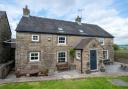
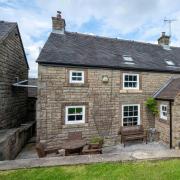
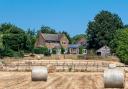
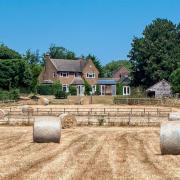
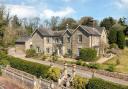
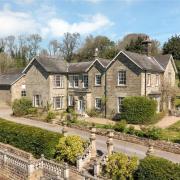
As a result, homes come to market fairly infrequently and are often highly sought after when they do, highlighted by the fact that at the time of writing just one property appears for sale – Rushley Farm, with offers in excess of £600,000 invited.
Smaller cottages, when they appear, often achieve strong interest due to their charm and proximity to walking routes. Larger detached homes — particularly those with river views, outbuildings or ties to the conservation area — tend to command premium prices.
Schooling is served locally by Ilam Primary School, while Ashbourne provides secondary education, including Queen Elizabeth’s Grammar School, which holds a long-standing reputation in the area.
For buyers prioritising landscape, tranquillity and architectural uniqueness over amenities on the doorstep, Ilam continues to be a compelling — and rare — residential prospect.

WHAT ILAM OFFERS
For many, Ilam’s greatest draw is its setting. This is a village which benefits hugely from a landscape of steep hills, wooded dales and flowing rivers that gives it a picture postcard feel.
The proximity to Dovedale — one of the most celebrated destinations in the Peak District — means that footpaths, viewpoints and nature trails begin just steps from the village centre.
Residents also enjoy a wonderful combination of cultural and natural heritage. The Church of the Holy Cross, stands beside Ilam Hall — now managed by the National Trust and home to a popular tearoom, youth hostel and beautiful grounds open to the public.
Life in Ilam is peaceful, especially outside peak visitor seasons, although there are potential drawbacks to consider, as is the case with any location.
For example, public transport is limited and shops are limited, meaning short trips to Ashbourne and other neighbouring towns may be necessarily fairly frequently.
Yet for many, these small inconveniences are far outweighed by the sense of space, closeness to the great outdoors and the strong feeling of escape that Ilam undoubtedly offers village offers.
For walkers, retired residents or young families longing for nature-rich living, Ilam is hard to beat – even if it is just over the border!
DID YOU KNOW?
The name Ilam (not to be mistaken with the Derbyshire Dales village of Eyam, which lies about 23 miles to the north-east) likely comes from Old English meaning ‘homestead beside the river’, while the beautiful Ilam Hall was once nearly demolished in the 1930s before the National Trust intervened and saved it in order to preserve the site.












Share