


Discover Dorchester, Dorset’s historic heart — a town of Roman origins, Hardy heritage and a warm, quietly rebellious West Country spirit.
Where?
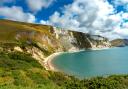
Dorchester sits at the heart of the county, around seven to eight miles inland from Weymouth and within easy reach of the Jurassic Coast World Heritage Site. The historic market town lies on the south bank of the River Frome and is set amid broad, gently rolling chalk countryside typical of the Dorset Downs.
Why Go?
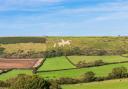
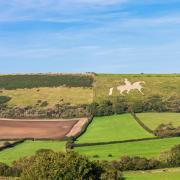
Dorchester is Dorset’s county town – a place rich in history, where traces of its Roman past sit alongside handsome Georgian terraces, riverside paths run just behind busy streets, and the ancient earthworks of Maiden Castle, one of the largest Iron Age hillforts in Britain, lie a short drive away. In the centre, museums, cafés, independent shops and a lively Wednesday market give Dorchester an atmosphere that feels welcoming and gently bustling. Known to Thomas Hardy as Casterbridge, it is a place shaped by writers, rebels and reformers, yet still unmistakably West Country.
History & Hardy
Dorchester’s story stretches back more than 2,000 years. The Romans established a settlement here known as Durnovaria, and today visitors can explore the Roman Town House, the only fully exposed Roman town house in Britain, where intricate mosaic floors hint at the town’s former importance. Nearby, Dorset Museum & Art Gallery houses nationally significant collections spanning archaeology, natural history, art and literature, including the Hardy’s Dorset Gallery devoted to the life and work of Thomas Hardy. On the outskirts of town, Max Gate, Hardy’s former home, was designed by the author himself and is now cared for by the National Trust. Dorchester also honours poet and scholar William Barnes, a close contemporary of Hardy and a champion of Dorset dialect, whose statue stands beside St Peter’s Church (pictured).
Justice, Rebels & Reform
Dorchester has long stood at the heart of Dorset’s legal history. At Shire Hall Historic Courthouse Museum, visitors can step inside the original courtroom and explore powerful stories of justice, protest and reform. The town was also a key stage for the Bloody Assizes, when Judge Jeffreys presided over trials following the Monmouth Rebellion of 1685. Later, in 1834, it was here that the Tolpuddle Martyrs were tried and sentenced — events that echoed far beyond Dorset and helped forge Dorchester’s reputation for radical thought and social change.
Food & Drink
The King’s Arms is closely linked to Hardy: the writer himself drank there, later fictionalising it in The Mayor of Casterbridge. Close to the station, Brewery Square occupies the site of the former Eldridge Pope brewery and now buzzes with cafés, shops and restaurants, including familiar names alongside more locally focused venues. Santos + Co has brought an Iberian note to a prominent corner spot, while the long-running Wednesday market remains the best place to buy artisan bread, cheese and seasonal produce.
Poundbury
A short walk west of the town centre, Poundbury is King Charles III’s model urban extension, built on land owned by the Duchy of Cornwall and designed around traditional architecture, mixed uses and walkable streets. Pastel façades, elegant crescents and informal squares frame cafés and independent shops clustered around Queen Mother Square, anchored by the Duchess of Cornwall. Despite its distinctive look, Poundbury has a village-like feel and is neatly stitched into Dorchester’s everyday life..










Share