



Q: How can I make my garden a haven for pollinators throughout the year?
A: How often do you stop to think about our pollinators: bees of all sorts, beetles, hoverflies, wasps and so on? All gardeners should, because without the biodiversity and pollination that they provide, our gardens would suffer.
Plants that flower very early in the year, such as snowdrops, provide much-needed food in the form of nectar (sugars) and pollen (protein to nourish both themselves and their young) for early pollinators, of which there is a surprising number. Equally, plants that flower late into autumn help insects prepare for, and survive, the winter.
So a garden’s ‘nectar café’ needs to be planned carefully to give support throughout the year, not simply at the height of summer.
There are many later flowers that can help fatten pollinators before winter. However, it is worth remembering that many modern varieties have been bred to be sterile so that they continue flowering until very late. The drawback is that they often produce little or no pollen, and sometimes very little nectar as well.
This means there is a real need to include older varieties, or even wildflowers, within the planting.
A good example is the sunflower, Helianthus, where varieties such as ‘Teddy Bear’ and ‘Mongolian Giant’ remain useful.
Older varieties of shrubs and herbaceous perennials are often single, with just one ring of petals and clearly visible stamens. These are far better for pollinators than the heavily double forms. Single dahlias and camellias are good examples.
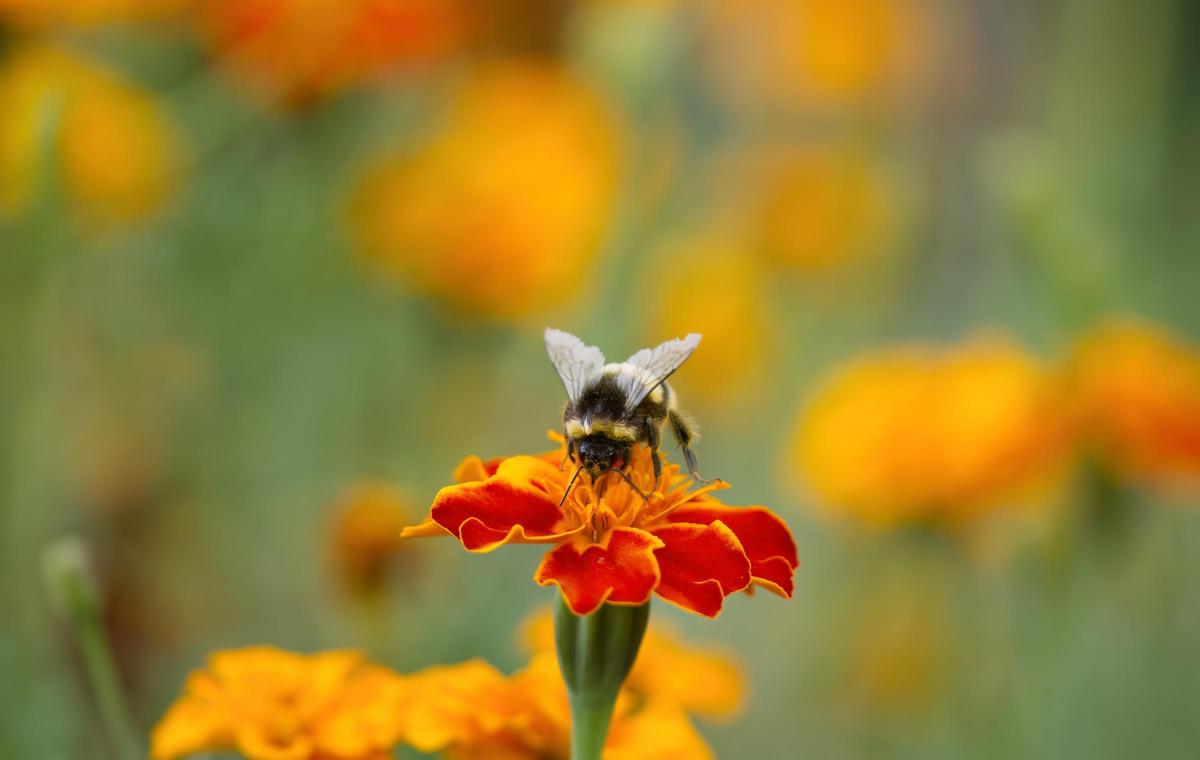
Coneflowers, French marigolds, golden rod, ivy, Michaelmas daisies and sunflowers are all excellent for late support. The wild golden rod is especially worthwhile, being compact and long-flowering.
Do not forget the night-flying moths, which rely on pale or white flowers that show up in low light. Nicotiana are a particularly good example.
Got a gardening quandary? Drop Ian an email at iantribe@gmail.com
Read more
-
How do I get rid of bindweed and ground elder without using chemicals?
-
How can I water my garden in summer efficiently without wasting water?
Garden tasks for August
Rambling roses need attention now. The shoots that have flowered should be cut out entirely and replaced by new growth from the base. If none appears, treat as a climber and shorten side shoots instead. ‘Albertine’ is a well-known example requiring gentler pruning.
Summer pruning of wisteria and fruit trees is best left until August, as earlier pruning can encourage unwanted growth. With wisteria, reduce the current season’s growth to five or six leaves to help control size and encourage flowering next year.
Sow green manures such as rye, crimson clover, phacelia or winter tares on bare ground. Establishing them now protects soil from erosion, reduces nutrient loss, improves structure and adds organic matter, helping keep the soil in good condition over winter.

PLANT OF THE MONTH:
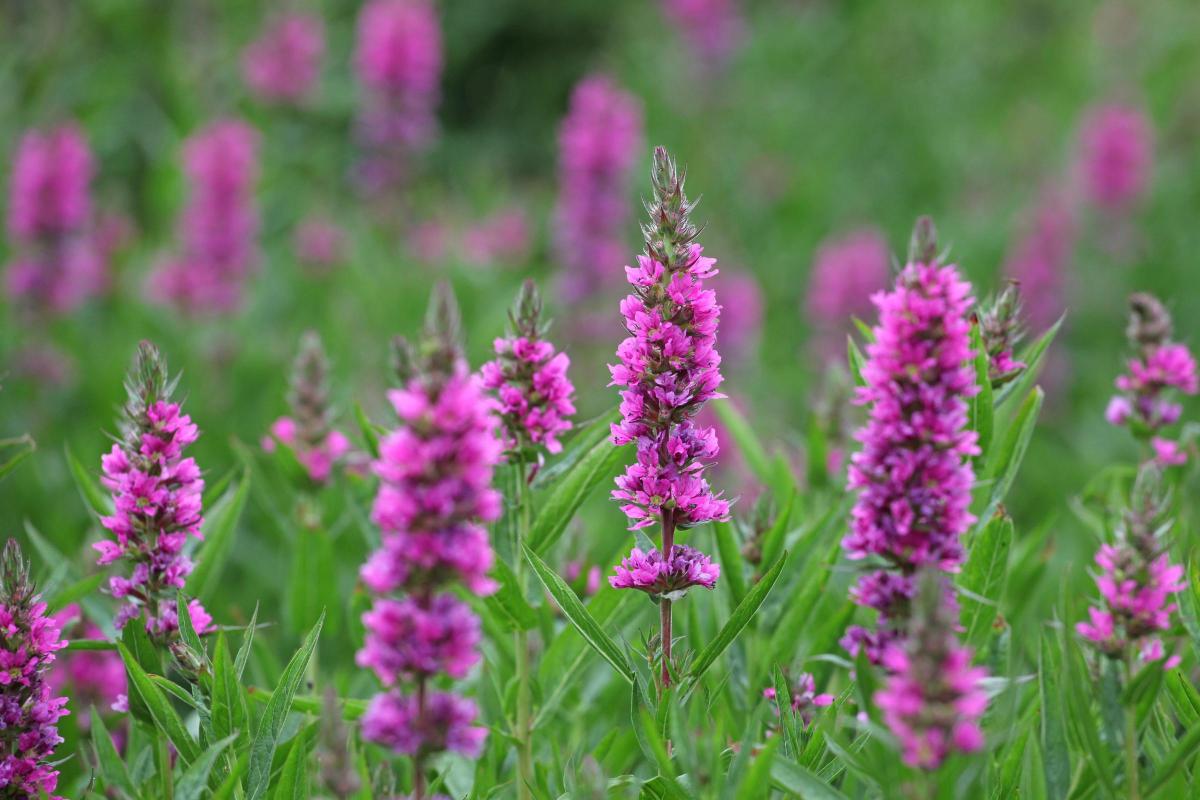
Purple loosestrife (Lythrum salicaria)
To my mind, this is one of the real stalwarts of the garden. Though a wild plant of riverbanks and damp places, it is perfectly at home in a border. It forms steady clumps with tall spikes of purple-red flowers over a long period.
The species is over a metre tall, while forms such as ‘Robert’ are more compact. It is valuable to pollinators, never troublesome, and can be divided in spring if needed..
Ian Tribe is the author of The Plant Kingdom (Hamlyn). He has taught widely, founded the Wisley Series at RHS Garden Wisley, and currently runs monthly gardening workshops in Ryme Intrinseca, as well as writing and broadcasting, with an occasional gardening slot on Radio Solent





















Share