



Spider crabs and warming seas
Across Cornwall’s coastline this summer, one of our most remarkable marine events is quietly unfolding beneath the waves. Thousands of spider crabs are gathering on the seabed in a rarely seen spectacle, forming dense groups as they prepare to shed their shells.
These aggregations are part of a natural survival strategy. During moulting, spider crabs are at their most vulnerable, shedding their old exoskeletons before their new shells harden. By coming together in large numbers, they reduce the risk of predation — a powerful reminder of how behaviour in the natural world is shaped by survival.
What’s changing, however, is how often and where we’re seeing these events. Spider crabs have become an increasingly familiar sight around Cornwall, and evidence suggests populations are benefitting from warming seas. Rising ocean temperatures and marine heatwaves are influencing growth rates and seasonal patterns, helping to drive these large gatherings.
For those lucky enough to witness it, the experience is unforgettable. As our marine conservation officer Matt Slater explains: ‘Looking down at the mass of crabs scuttling on the seabed was a truly incredible experience… most locals would have no idea that one of the world’s great wildlife aggregations is occurring not too far from where they sleep.’
These changes are a sign of how Cornwall’s seas are evolving — and a reminder of just how much there is still to discover on our doorstep..

Watch out for: Weever fish
If you’re heading to the beach, keep an eye out beneath your feet. Weever fish, small sandy-coloured fish that bury themselves in shallow water, are more active in summer months — and are also becoming more common in our warming seas.
They’re easy to miss, often hidden just below the surface, but can deliver a painful sting if stepped on using sharp spines along their back. The stings aren’t dangerous for most people; it feels a bit like a nettle or bee sting and will fade. If it’s really bad, immerse the affected area in hot water. The heat breaks down the toxic proteins, neutralizing the venom and slowing the pain.
Despite their reputation, weever fish are a fascinating part of Cornwall’s coastal ecosystem.

Join us on a Seaquest Watch
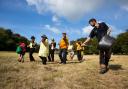
On the third Sunday of each month, we host friendly, expert-led seawatches at key headlands across Cornwall. Spot marine wildlife, meet like-minded people, and discover more about our seas — while helping us record what’s happening along our changing coastline.
For upcoming dates and locations check cornwallwildlifetrust.org.uk













Share